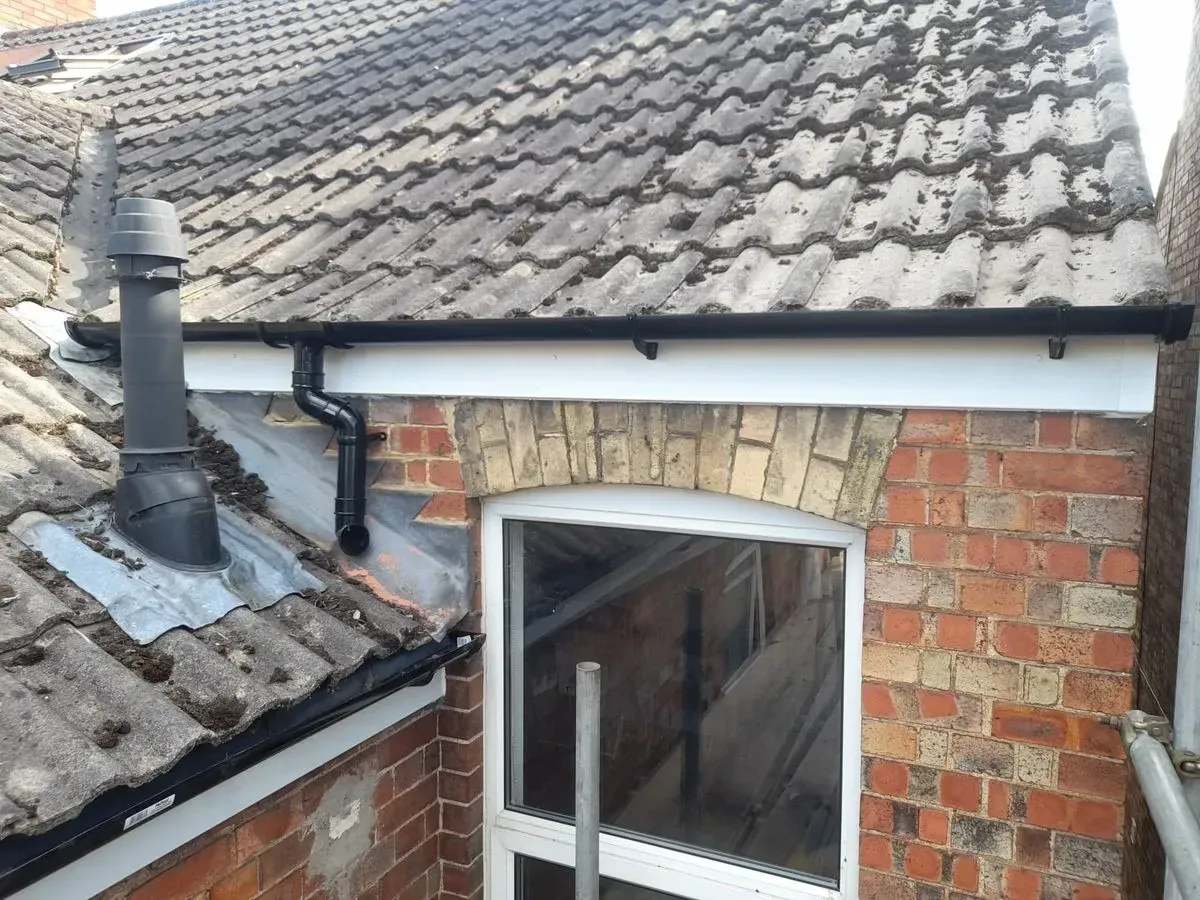
A damp patch is a symptom, not a diagnosis. We regularly meet homeowners who’ve paid for a damp-proof course when the real problem was a blocked gutter. Get the cause right first.
| Type | Where | Signs | Usual fix |
|---|---|---|---|
| Condensation | Cold corners, window reveals, bathrooms | Black mould, wet windows in the morning | Ventilation, extractor fans, heating |
| Penetrating damp | Outside walls, around windows | Grows after rain | Fix the outside defect, then make good |
| Roof leak | Upstairs ceilings, chimney breasts | Brown rings, drips in heavy rain | Roof repair, leadwork, re-felt |
| Rising damp | Ground floor, up to about 1m | Level tide mark, white salts | Lower ground levels, clear bridging, DPC if needed |
Two quick tests
- Foil test: tape kitchen foil to the damp wall for 48 hours. Wet on the room side means condensation. Wet behind it means damp coming through the wall.
- Rain test: photograph the patch on a dry day and again after heavy rain. If it grows, look outside.
Check outside before treating inside
- Gutters and downpipes above the patch
- Pointing and render on that wall
- Ground levels at least 150mm below the damp-proof course
- Blocked or buried air bricks
Often, fixing a gutter or repointing a wall solves the problem for far less than a chemical damp course. Where a specialist damp survey is needed, we’ll tell you.