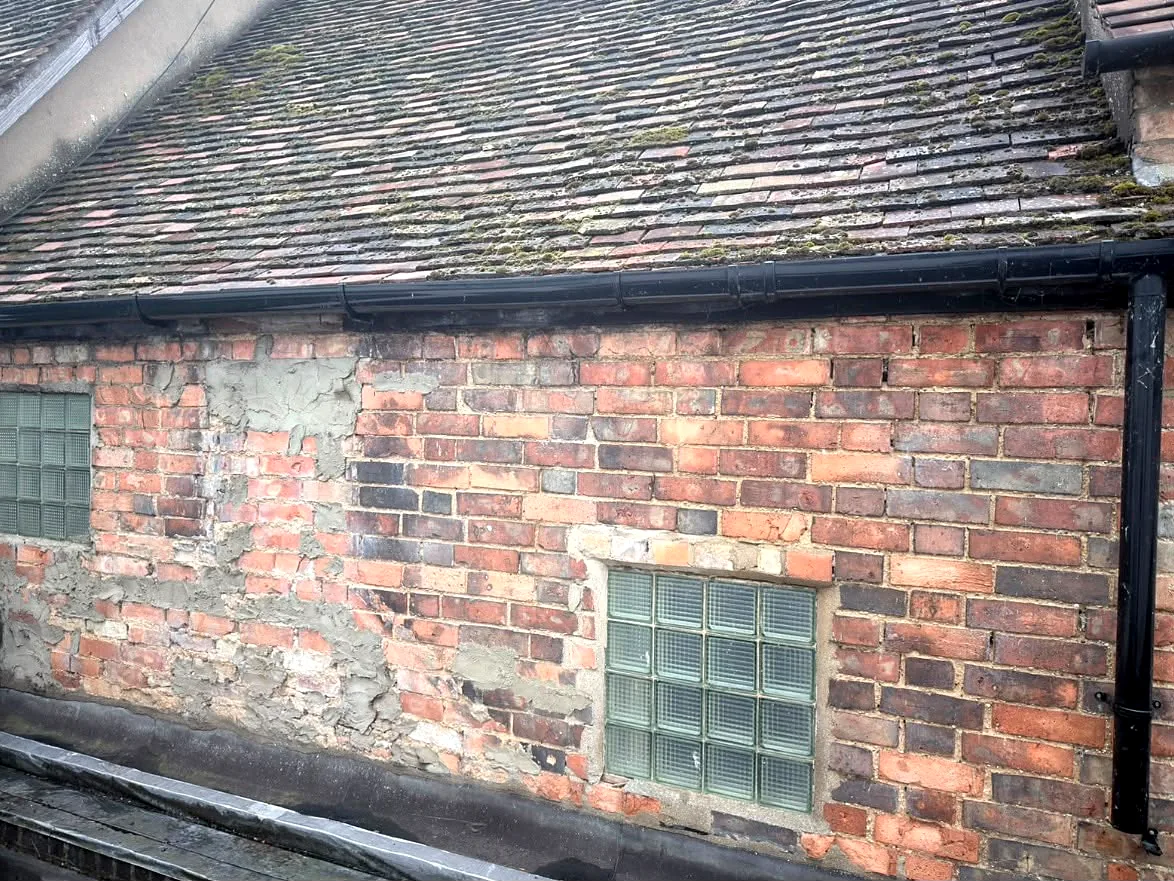
Most cracks in a house are harmless. A few are early warnings. Here’s the traffic-light system we use on inspections.
Green: monitor
- Hairline cracks thinner than a bank card (under 1mm)
- Cracks in new plaster as it dries
- Fine crazing on painted render
Usually shrinkage or seasonal movement. Fill and redecorate when convenient.
Amber: find the cause first
- Cracks 1mm to 5mm wide
- Diagonal cracks from window and door corners
- Cracks that return after filling
- Cracks near a leaking gutter or drain
Fill these without fixing the cause and they’ll come back.
Red: call a specialist
- Cracks wider than 5mm
- Stepped diagonal cracks heading to a corner of the house
- Cracks getting wider week by week
- Sticking doors with sloping floors
These can point to subsidence. Don’t fill them. Contact your buildings insurer early and get a structural engineer involved.
The pencil-line trick
Draw a pencil line across each end of the crack, write the date, and photograph it with a tape measure. Check monthly. If it passes your line, it’s still moving.
This guide is for general information and doesn’t replace a survey or a structural engineer’s assessment.